
Using the Inner Critical Voice in Performance
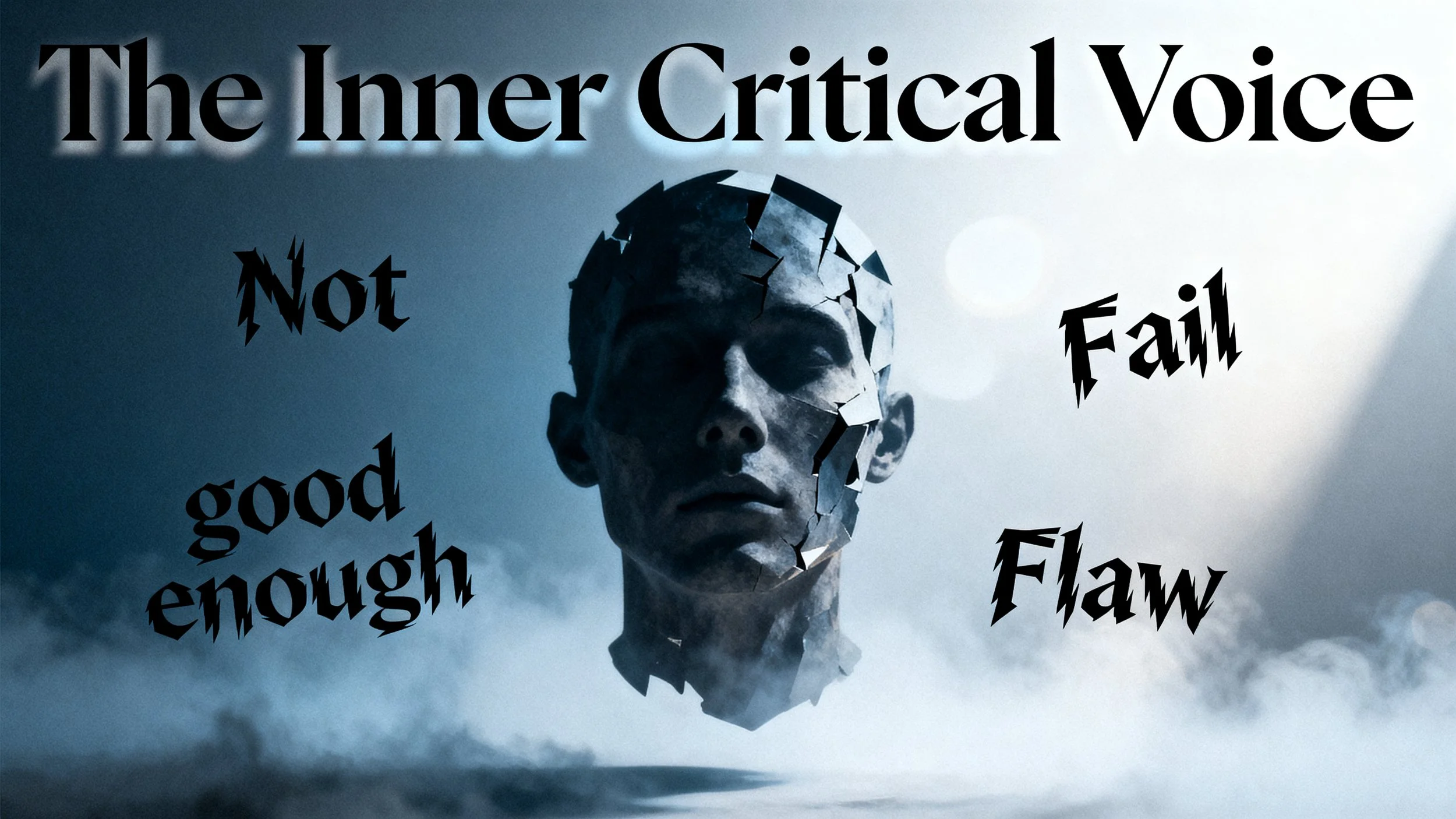
The Inner Critical Voice and Performance
As athletes, we face mental challenges that shape our performance. A major obstacle is the inner critical voice. This is ongoing negative self-talk rooted in perfectionism and high expectations that fuels self-doubt and anxiety. We may question our abilities before competitions or obsess over mistakes afterward. But what if we could change this narrative? By understanding our inner critic, we can transform it into an ally. Recognizing its presence helps us see how it influences thoughts, emotions, and performance. This blog explores the inner critical voice, its triggers, and its impact during competitions. It offers strategies to reframe this dialogue, foster a positive mindset, and improve performance psychology. Ultimately, we can turn our inner critic into a tool for growth, helping us achieve goals with confidence and resilience.
Understanding “ Inner Critical Voice”
The inner critical voice can take many forms. The voice often sounds like our deepest fears and insecurities. It may sound like a harsh coach, relentlessly pointing out our flaws and mistakes. It whispers (or sometimes shouts) thoughts that can vary from mildly disapproving to harshly judgmental. This voice often emerges from our past experiences, internalized expectations, and the pressures we face in our athletic journeys. It can significantly influence how we perceive ourselves and our abilities, often acting as an obstacle rather than a motivator. Recognizing this voice is the first step in transforming it from a source of anxiety into a catalyst for growth.
We might encounter our inner critic in various situations, especially when we face setbacks or are evaluated by others. It can intensify anxiety and stress, making us feel increasingly overwhelmed in competitive situations. We become fixated on what might go wrong instead of focusing on what we can control, depleting our confidence. This distraction not only impacts our performance but can also diminish our motivation.
When we let our inner critic dominate our thoughts, we start to believe the narrative that we are inadequate. Emotional regulation becomes more challenging, as we may struggle to manage our feelings of disappointment or frustration in response to our perceived failures.
By acknowledging how negative self-talk influences our mental state, we can start to develop strategies to counteract its effects. We can focus on the positive aspects of our performance instead of spiraling into a cycle of self-judgment and fear.
WHAT BringS out the Negativity?
Several beliefs and emotions trigger our inner critical voice, amplifying its negative messages. Mistakes and setbacks, for example, serve as breeding grounds for self-criticism. When we slip up, it's easy to let that single moment define our entire ability. Being evaluated by others can also intensify our inner critic. Whether it’s the pressure of a coach's reaction or expectations of teammates, the fear of judgment can lead us to doubt our worth and capabilities.
High-stakes situations also bring the inner critic to the forefront. The intensity of competition can bring out our perfectionistic tendencies. We scrutinize every aspect of our performance. We might feel that anything less than perfection is unacceptable, leading us to obsess over our shortcomings. Recognizing these common triggers is crucial. When we understand what sets off our inner critic, we can better prepare ourselves to counteract its influence and turn it into a driving force for improvement.
Differences: Self-Criticism, Perfectionism, and Fear of Failure
It's important to differentiate between self-criticism, perfectionism, and fear of failure as these elements are often intertwined. Self-criticism can be seen as the voice that scolds us for our perceived shortcomings, feeding into a cycle of negativity. Perfectionism, on the other hand, sets unrealistically high standards that we feel compelled to meet, making us more self-critical when inevitably falling short. Lastly, the fear of failure lurks beneath the surface, often driving both self-criticism and perfectionistic tendencies. The interplay among these three factors can create a toxic mental environment, challenging us to find joy in our sport and feel overwhelmed by the weight of our expectations.
Understanding these dynamics allows us to approach our inner dialogue with greater clarity. By identifying how self-criticism stems from perfectionism and fear of failure, we can begin to dismantle the barriers that hold us back. It’s not about eliminating our inner critic entirely; rather, it’s about learning to manage it and reframing its messages into something more constructive. This nuanced understanding is key to transforming our mindset and unleashing our true potential in performance.
transform self-Criticism into power

Mental Strategies
Transforming our inner critical voice into a performance tool may seem daunting, but it is not only possible; it is essential to our growth as athletes. By recognizing that this voice can serve a constructive purpose, we can shift our perspective and use it to improve. Instead of letting self-criticism drag us down, we can use it as a catalyst for change. The key is understanding how to harness this internal dialogue so it propels us forward rather than holds us back.
By recognizing when negative self-talk creeps in, we can reframe our thoughts. Instead of letting harsh judgments dominate our internal narrative, we can challenge these beliefs and replace them with affirmations that reflect our true abilities and potential. Several strategies can transform the critical voice into a useful performance tool. Here are five techniques to help us reframe our thoughts and cultivate a more supportive inner narrative:
Cognitive Reframing: This involves shifting how we interpret our inner critic’s messages. Instead of viewing criticism as a negative, we can reframe it as feedback that offers opportunities for growth. For example, if we hear ourselves thinking, “I can’t believe I made that mistake,” we can reframe it to, “That mistake is a chance for me to learn and improve.”
Positive Self-Talk: We can replace negative self-talk with affirmations that reinforce our strengths and capabilities. Repeating positive statements about our abilities can boost confidence and diminish the inner critic’s power. For instance, telling ourselves, “I am well-prepared and capable,” can help drown out doubts.
Mindfulness and Focus: Mindfulness enhances our awareness of thoughts and allows us to observe the inner critic without judgment. This allows us to detach from negative self-talk and bring our focus back to the present moment, which is crucial during performance situations.
Self-Compassion: Treating ourselves with kindness and understanding is vital for dismantling the power of our inner critic. Instead of harshly criticizing ourselves after a setback, we can practice self-compassion by acknowledging our struggles and reminding ourselves that everyone makes mistakes.
Imagery and Mental Rehearsal: Visualizing success and rehearsing our desired performance outcomes can help create a positive mindset. By mentally preparing and envisioning ourselves succeeding, we can foster confidence and diminish the negative impact of our inner critic.
By integrating these skills, we empower ourselves to face competition resiliently and enjoy being athletes.
Conclusion
This article helped us understand the inner critical voice. We realized that our inner critical voice shapes our athletic experience. Self-doubt and perfectionism can hinder us, but with the right techniques, this voice can help us grow. Recognizing and understanding this voice is the first step toward transforming it into a positive influence. Using practical approaches like cognitive reframing, mindful self-talk, and self-compassion, we can develop a supportive inner dialogue.
Making this shift is not just about silencing our critic. It’s about turning it into a voice that motivates and supports us. Moving forward, commit to nurturing a productive inner voice that helps you face challenges and enjoy your athletic journey. Our internal dialogue is a powerful tool. By rewriting your mental scripts, you can boost performance and enjoyment in sports.
